Wind load
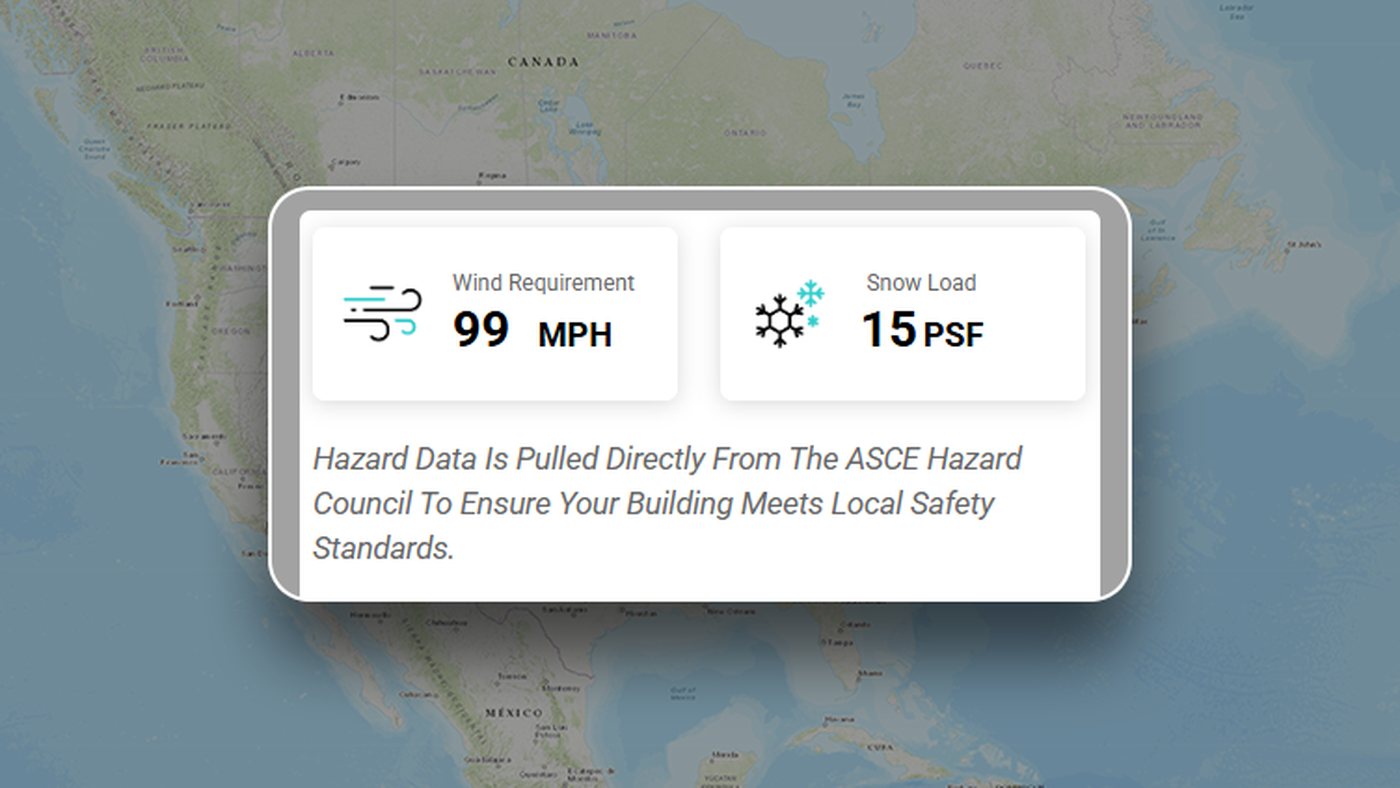
measured in mphThe wind speed your building is engineered to resist. Coastal and open, exposed sites carry higher wind loads.
Take a minute to double-check the snow and wind loads for your area. These aren't random numbers on a spec sheet — they're what keeps your building standing strong year after year, keeps you compliant, and gives you peace of mind.
Two ratings decide how your building is engineered. Know yours before you order, and every quote you get is apples-to-apples.
The wind speed your building is engineered to resist. Coastal and open, exposed sites carry higher wind loads.
How much snow weight the roof is built to carry, in pounds per square foot. It climbs with elevation and colder climates.
Your county sets the minimum loads. A building stamped to them is safe, code-compliant, and clears permitting without surprises.
Select any step to see exactly what to click in the ASCE7 Hazard Tool — then send us the report and we'll handle the engineering.
Open the free ASCE7 Hazard Tool in your browser. It's the same authoritative source engineers use to look up the design wind and snow loads for any location in the country.
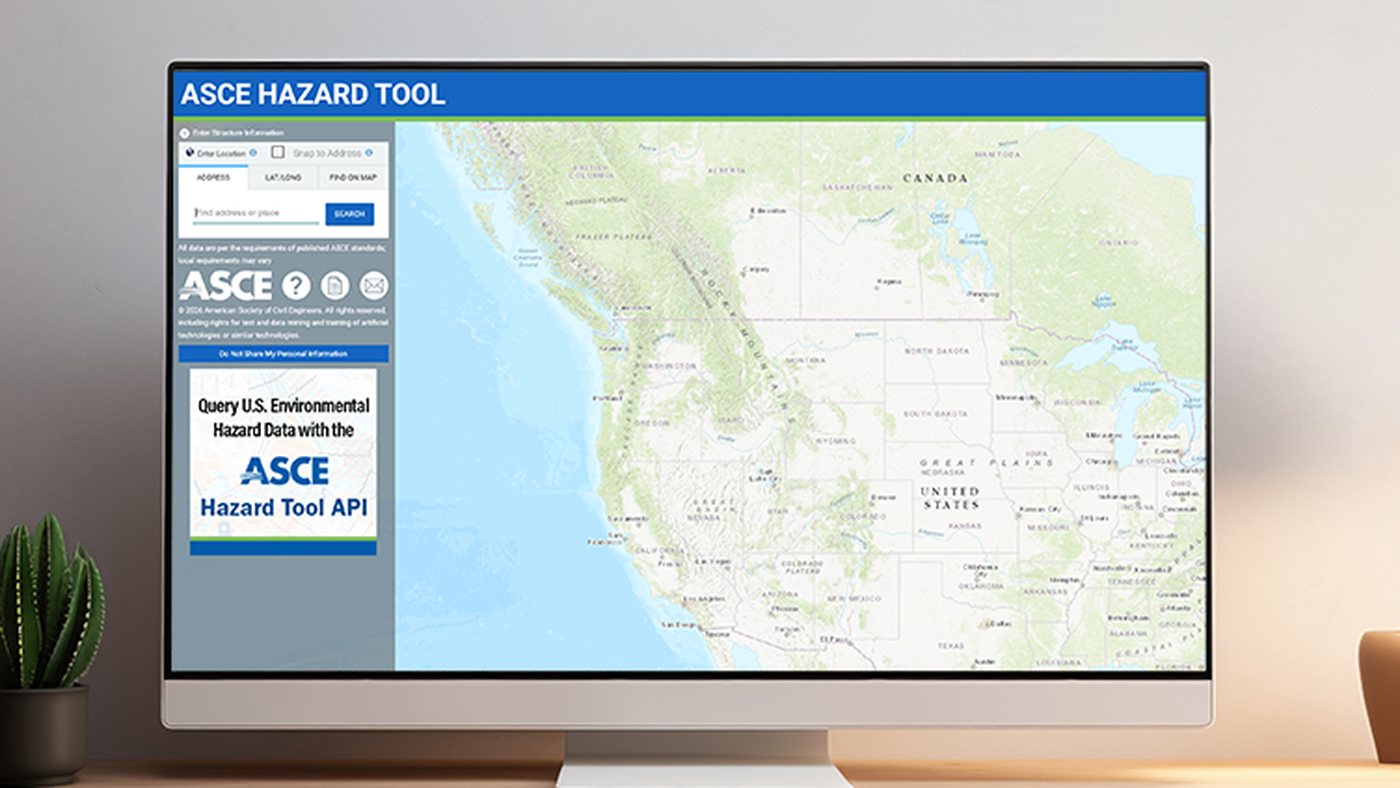
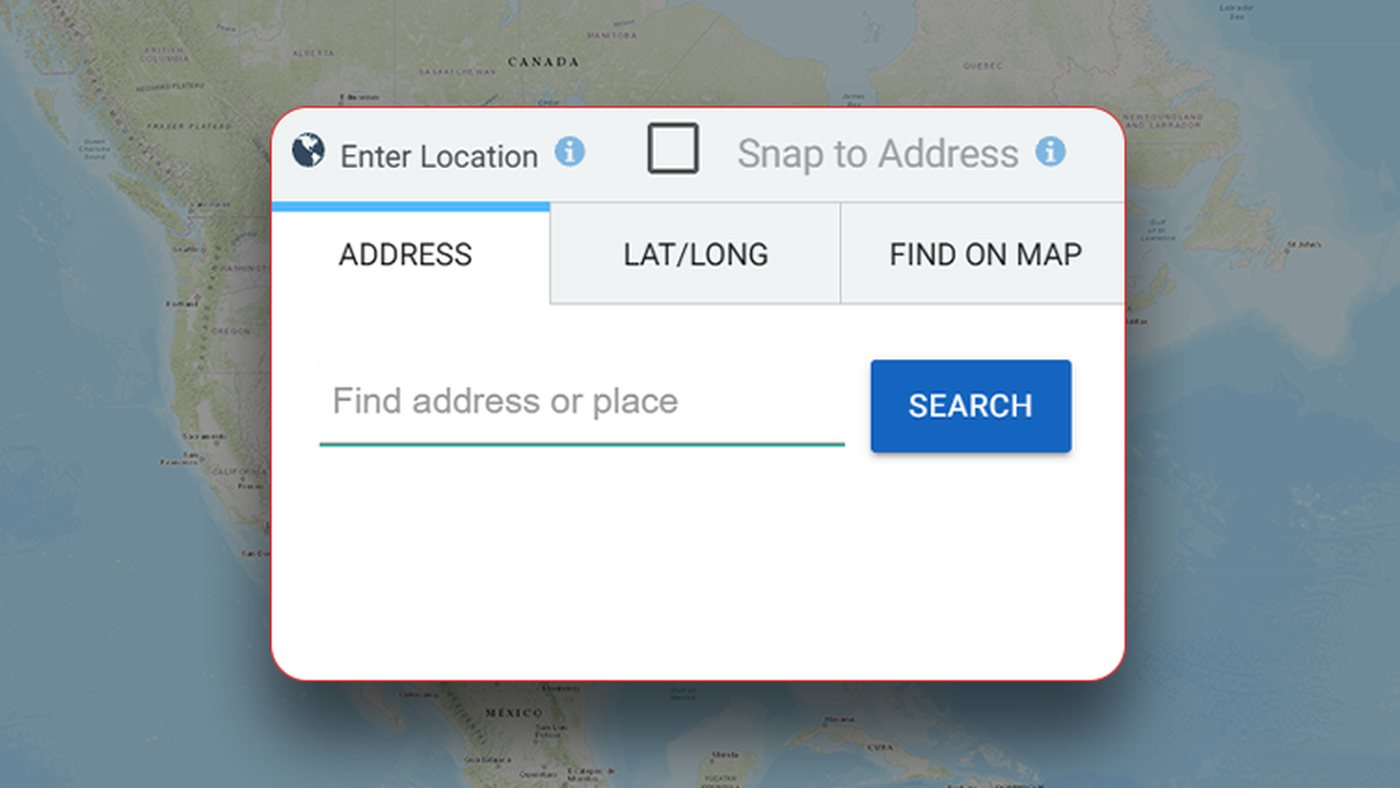
Type in your complete street address, city, and state. Don't rely on the ZIP code alone — it isn't precise enough and won't return accurate loads for your exact site.
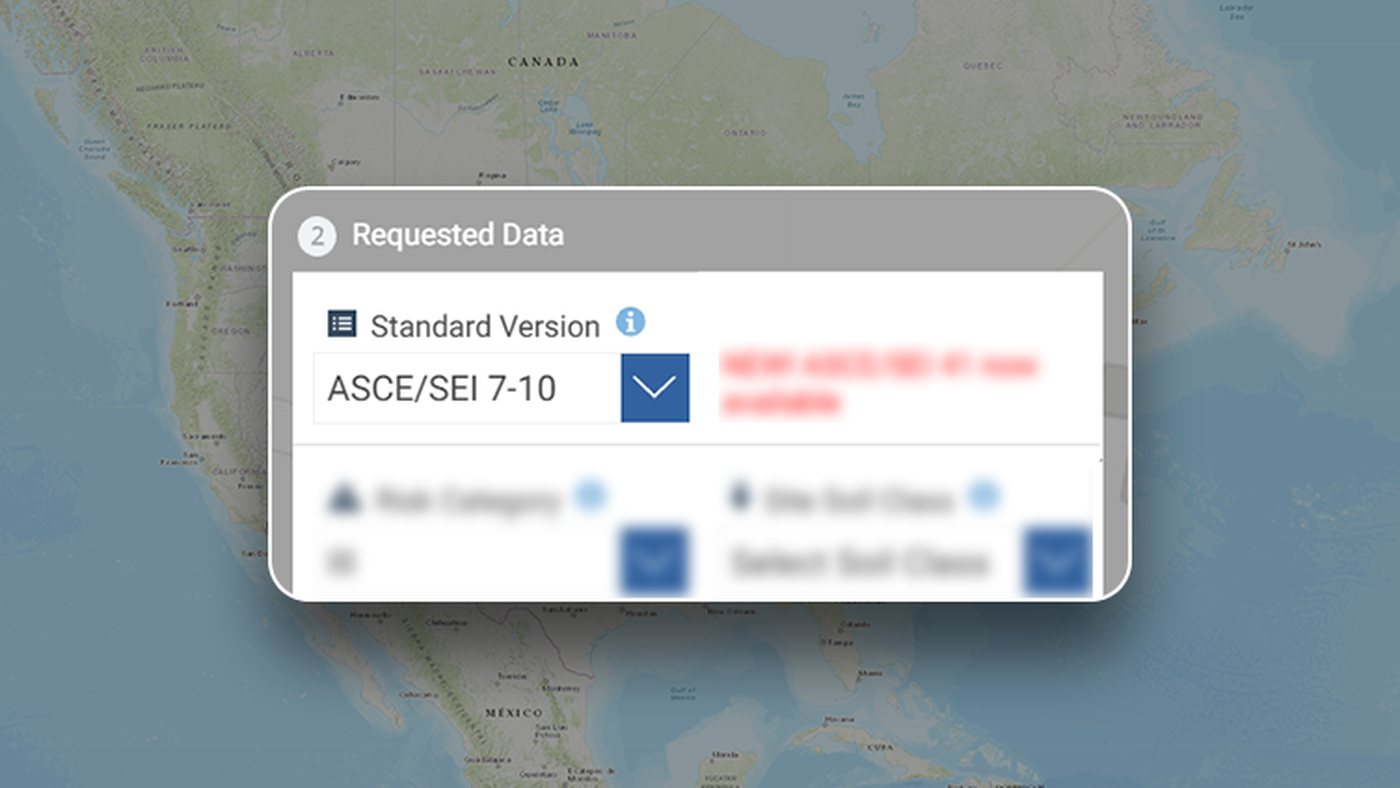
Choose the risk category that matches how the building will be used. Risk Category I covers non-residential spaces like garages, storage sheds, and barns. Risk Category II covers any structure meant for people, such as a home or office.
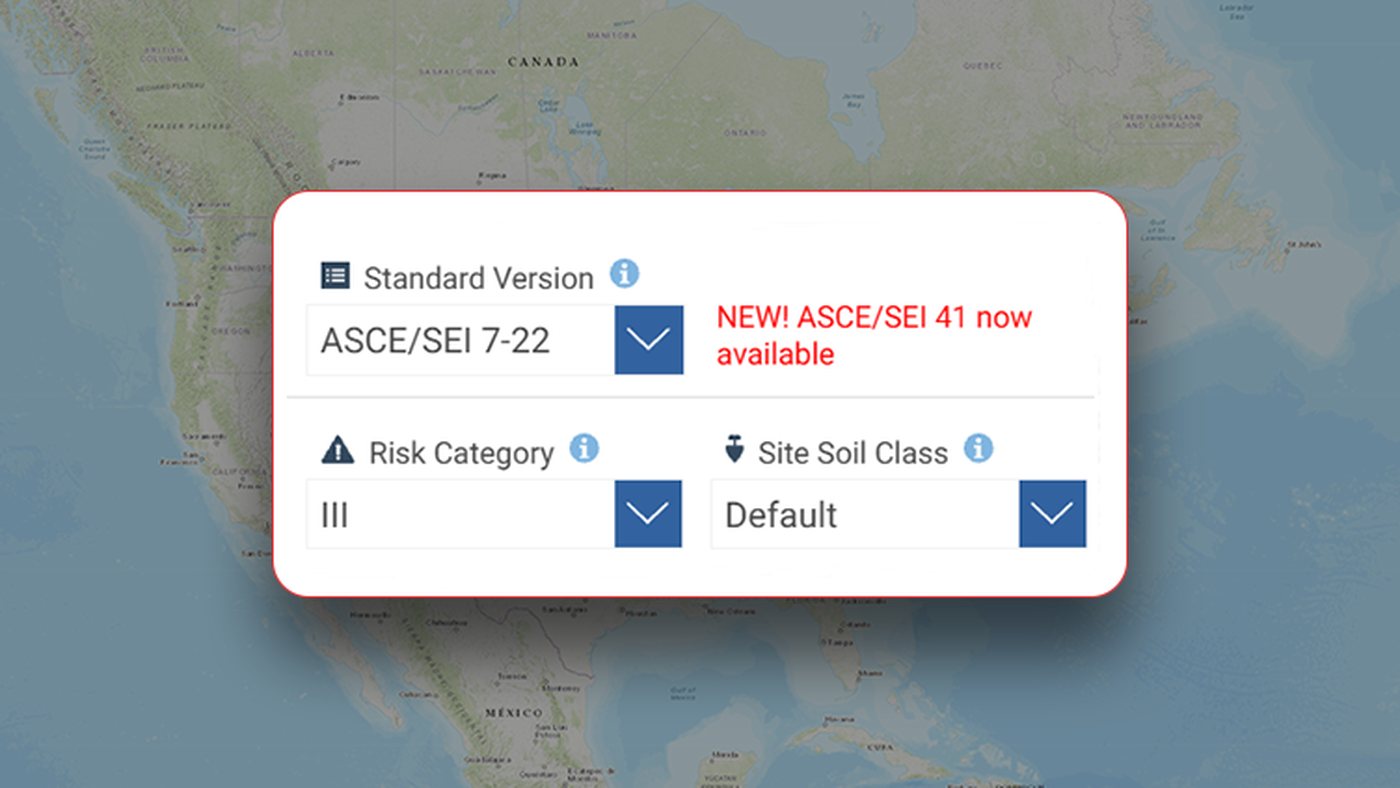
Pick the code edition your jurisdiction uses. For Wyoming, choose ASCE/SEI 7-22. For Washington, Oregon, Idaho, Montana, Utah, and Colorado, choose ASCE/SEI 7-16. When in doubt, your local building department can confirm which edition they enforce.
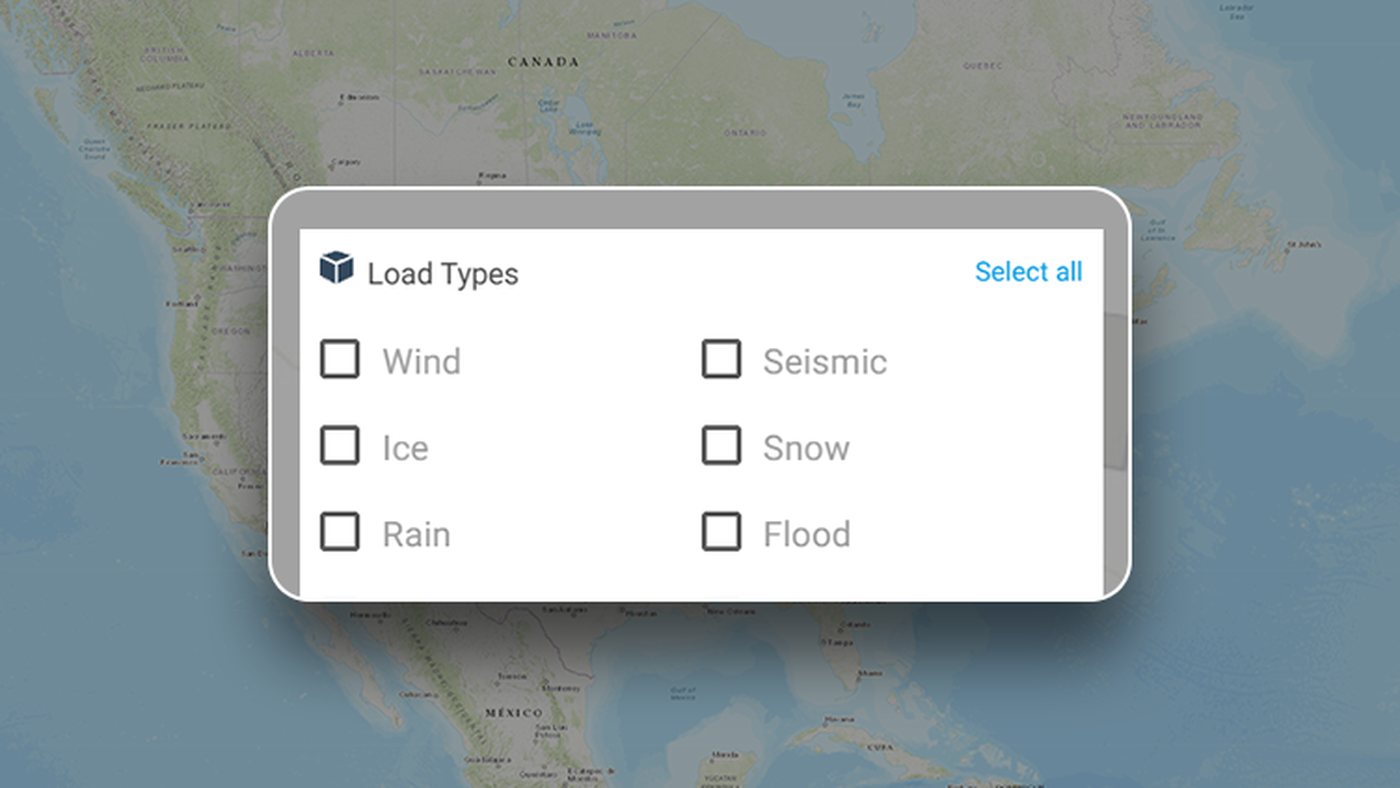
Make sure both Wind and Snow are selected before you run the report. Both loads shape how your building is engineered, so you want the tool to return figures for each.
Click Submit and the tool produces your official load report — your design wind speed in mph and your ground snow load in pounds per square foot, tied to your exact location.
Use the Share button at the top-right, or download the report, and send it to your EMB sales rep. We'll engineer and stamp your building to those exact loads so it's ready to permit and built to last.
Visit the ASCE7 Hazard Tool
Send us your ASCE7 report and we'll build to your exact loads. For tough climates we step up to 12-gauge framing, 26-gauge panels, and a vertical roof — the upgrades that raise your load ratings and extend the life of the building. Every certified building is engineer-stamped for your county and delivered and installed at no extra cost.
Have your report ready?
Send it over for a quote engineered to your loads — or talk it through with a real person first.
Browse the sizes and styles our customers order most — each one engineered to your local codes. Customize any of them in the 3D builder.
Get started
Tell us what you have in mind and we’ll send a free, no-obligation quote — or design it yourself in real time.
Takes less than a minute.